
Roof Leaking in Heavy Rain? Emergency Steps for SoCal Homes
By DKI Restotech Team · Oct 8, 2026 · 5 min read
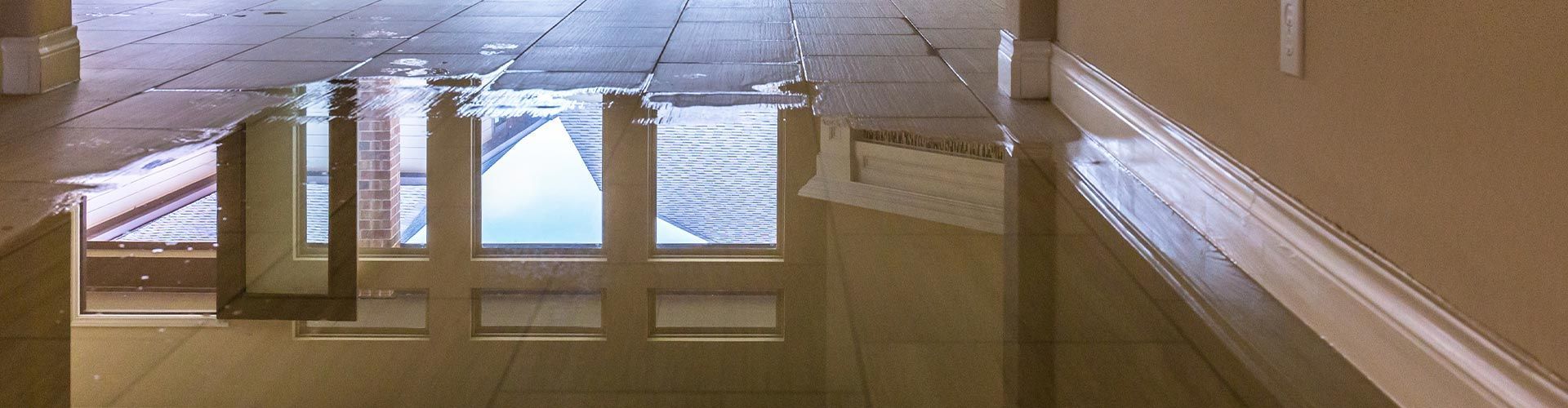
A roof leaking in heavy rain means water is already past the shingles and into your attic, insulation, or drywall — not just sitting on top of the roof. Contain it fast: move valuables, set buckets and plastic sheeting, relieve ceiling bulges carefully, and call a 24/7 restoration crew before the storm even lets up.
What should you do in the first 10 minutes?
Move furniture, electronics, and rugs away from the drip line first, since water travels sideways along rafters before it ever shows on the ceiling. Set a bucket or trash can directly under the stain and lay plastic sheeting or towels to protect flooring.
If the ceiling is bulging or dripping near a light fixture, shut off power to that circuit at the breaker before doing anything else. Standing water and electrical fixtures are a serious shock hazard, and it's where our emergency response team gets its most urgent calls.
- Photograph every active leak, stain, and bulge before you touch anything — insurance adjusters want timestamped evidence.
- Puncture a small, controlled hole at the lowest point of a ceiling bulge so trapped water drains into a bucket instead of collapsing the whole section.
- Pull back attic insulation directly below the leak if you can safely reach it; saturated insulation holds water against framing for days.
Where is the water actually getting in?
The spot where water drips inside is rarely where it entered the roof. Water often travels along the underside of the decking or a rafter for several feet before finding a gap in drywall or a light fixture box to drop through.
Three trouble spots cause most Southern California roof leaks during heavy rain: valleys where two roof planes meet and funnel runoff, flashing around chimneys, skylights, and vent pipes where sealant dries out and cracks, and gutters clogged with palm debris or ash that back water up under the eaves.
Why do SoCal roofs fail in the first big storm after dry years?
Years of intense UV exposure and little rain leave roofing underlayment, flashing sealant, and gutter systems brittle and cracked long before anyone notices — the damage only shows once sustained rain tests every seam at once. A roof that looked fine in August can leak within minutes once a real atmospheric river arrives.
NOAA puts the odds of a very strong El Niño for winter 2026-27 at greater than 90%, with some forecasters saying it could rank among the strongest on record. Strong El Niño winters have historically brought the region well-above-normal rainfall, with forecasters watching for roughly four to seven significant atmospheric-river storms between November and March.
Translation for homeowners: a roof that survived several dry winters without issue may not survive this one, especially if gutters, valleys, and flashing haven't been inspected recently.
What does a bulging or sagging ceiling mean?
A bulge means water has pooled in the ceiling cavity faster than it can drain or evaporate, and the drywall is now acting as a dam. Left alone, that weight can tear open and drop gallons of water, insulation, and debris into the room below.
Wet attic insulation also loses most of its insulating value and can stay damp for days, creating the exact moisture conditions mold needs to start growing within 24 to 48 hours. This is squarely roof leak water damage territory, not something that dries out on its own.
Should you tarp the roof yourself during the storm?
No. Climbing a wet, wind-loaded roof during an active storm is one of the most dangerous things a homeowner can do, and it rarely stops the leak anyway since water is already past the surface. Wait for a lull or daylight and let a trained crew assess and tarp safely.
Restoration company or roofer — who do you call first?
Call both, but call your restoration company first if water is already inside the house. A roofer stops water from entering; a restoration company stops the water already inside from destroying drywall, insulation, flooring, and framing — and documents everything for your insurance claim.
| Task | Restoration company | Roofer |
|---|---|---|
| Emergency tarping | Often provided as part of 24/7 response | Permanent repair once weather clears |
| Water extraction & drying | Yes — industrial dehumidifiers, moisture mapping | Not typically equipped |
| Mold prevention | Yes — IICRC-standard drying protocols | No |
| Insurance documentation | Yes — photos, moisture logs, scope of loss | Repair estimate only |
| Flashing, shingle, underlayment repair | No | Yes — permanent fix |
DKI Restotech has handled this exact call pattern across Los Angeles, Orange County, and Riverside since 1980, and our technicians work to IICRC-certified standards for water mitigation. We coordinate directly with roofers and adjusters so you're not stuck managing two separate contractors during a storm.
If water has reached drywall, insulation, flooring, or electrical, that's water damage restoration work, and the clock matters — mold risk starts within 24 to 48 hours of a wet ceiling or wall cavity.
Frequently asked questions
How much rain does it take to reveal a hidden roof leak?
Often very little. A roof with cracked flashing or a clogged valley can hold back light drizzle but fail completely once rain falls hard and steady for an hour or more, which is exactly what atmospheric-river storms do. Many leaks that "suddenly" appear were actually small, slow entry points for months.
Will my homeowners insurance cover a storm roof leak?
Usually yes, if the damage is sudden and storm-related rather than caused by years of deferred maintenance, though every policy differs. Document the leak with photos and a moisture reading before cleanup starts, since adjusters weigh heavily on evidence gathered in the first hours.
How long can I wait before calling a restoration company after a roof leak?
Don't wait past the same day. Wet drywall, insulation, and subfloor begin breaking down immediately, and mold colonies can establish within 24 to 48 hours in Southern California's mild, humid post-storm air. Fast extraction and drying is almost always cheaper than rebuilding a ceiling later.
DKI Restotech has responded to storm-driven roof leaks across LA, Orange County, and Riverside for more than 40 years, and we're available around the clock when the next atmospheric river hits. Call (949) 359-4090 the moment you spot water coming through — we'll contain it, document it, and get a roofer lined up behind us.
{# Google "Preferred Sources": readers add us as a preferred source so our articles surface more often in their Top Stories / news results. Official embed (button + deeplink fallback): https://developers.google.com/search/docs/appearance/preferred-sources #}Want more of our local restoration guides in your Google results?
Adds DKI Restotech to your preferred sources in Google Search. You can change it anytime.
Related Posts
Atmospheric River Flooding: What to Do in the First 24 Hours
A step-by-step guide to the first 24 hours after atmospheric river flooding, covering safety, insurance documentation, extraction urgency, …
Burst Pipe? What to Do in the First Hour (LA & OC Emergency Guide)
A burst pipe can release hundreds of gallons an hour. Here's exactly what to do in the first …
Can Water-Damaged Carpet Be Saved? An OC Homeowner's Guide
Clean water caught within 48 hours? Your carpet can often be saved. Sewage or days of soaking? It …