
Smoke Damage After a Nearby Wildfire: What to Do If Your Home Didn't Burn
By DKI Restotech Team · Nov 4, 2026 · 5 min read
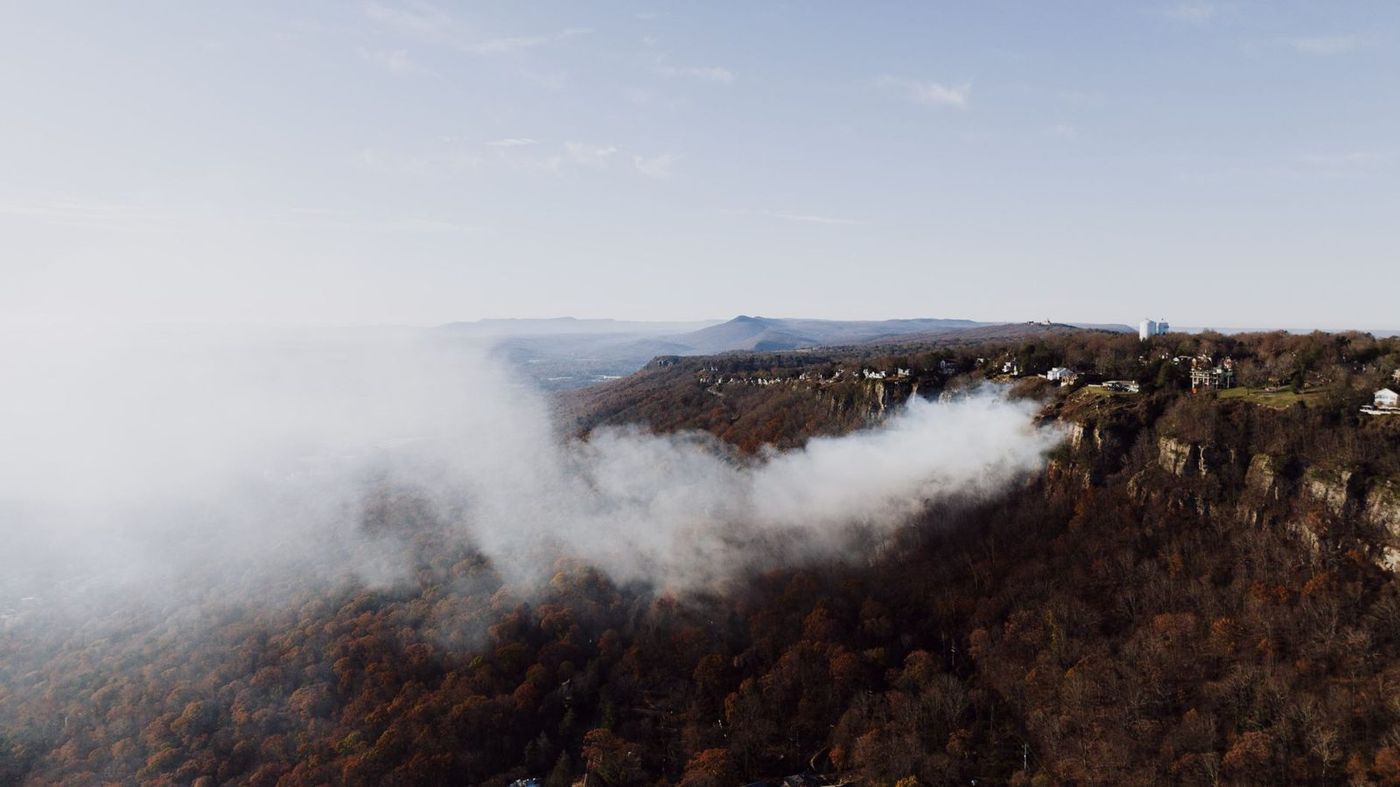
Yes, a home that never burned can still be heavily contaminated. Wildfire smoke carries fine soot, ash, and acidic residue that enter through vents, attic gaps, and HVAC systems. Document the damage, limit your exposure, notify your insurer, and have a certified restoration professional test and clean the home before you resume normal living.
Southern California homeowners learn this the hard way. When Santa Ana winds push a chaparral fire across a canyon, the smoke can travel miles into neighborhoods the flames never reach. At DKI Restotech, we have spent more than 40 years cleaning homes in Los Angeles, Orange County, and Riverside that were spared by the fire but not by the smoke.
Why does smoke damage a home that didn't burn?
Smoke is not just gas. It is a mix of microscopic particles, ash, and chemical residue that moves wherever air moves. Dry Santa Ana conditions and open windows, attic vents, and door gaps give it plenty of ways in.
Once inside, particles settle into porous materials such as drywall, insulation, carpet, upholstery, and ductwork. Residue left in place can keep releasing odor and may corrode metal and discolor surfaces over time. Waiting makes cleanup harder.
How do I assess smoke damage safely?
Start with your senses, but protect yourself while you do. Wear a properly fitted N95 respirator, gloves, and eye protection, because a cloth or surgical mask does not filter fine smoke particles well.
- Smell: A lingering campfire or acrid odor, especially after airing out, suggests residue in building materials.
- Look: Check window sills, ceiling corners, light fixtures, and the tops of cabinets for gray or black film and ash.
- Wipe test: Drag a clean white cloth across a hard surface. Dark streaks mean soot is present.
- Check the HVAC: Inspect the filter and return vents. A blackened filter means smoke has already circulated through your system.
- Inspect the attic and crawlspace: Soot on insulation and vents shows how far smoke penetrated.
Take dated photos and video of everything you find. Do this before you clean anything.
Where does smoke hide?
Visible ash is only part of the picture. The table below shows where contamination commonly collects and why surface wiping isn't enough.
| Location | Why it matters | Typical professional approach |
|---|---|---|
| HVAC and ductwork | Spreads particles to every room | Duct inspection and cleaning, filter replacement |
| Attic insulation | Absorbs soot and odor | HEPA vacuuming or removal if heavily affected |
| Soft furnishings and carpet | Traps particles in fibers | Specialized cleaning or replacement |
| Walls and ceilings | Porous paint and drywall hold residue | Chemical cleaning, sealing, repainting |
| Electronics and appliances | Soot can corrode circuits | Professional cleaning and testing |
Why does smoke cleanup need professionals?
Household cleaners often smear soot into surfaces instead of removing it. The wrong method can set stains permanently and push fine particles deeper into the material. Our IICRC-certified technicians match the cleaning method to the type of soot and the surface, using HEPA filtration, air scrubbers, and deodorization that treats the source rather than masking it.
Odor is the other challenge. Air fresheners and ozone shortcuts may hide smell temporarily, but if residue remains in insulation or ducts, the odor returns on the first warm day. Our smoke and soot restoration process removes the contamination itself. For homes closer to the burn zone, see our wildfire restoration services.
What are the health concerns?
Smoke and ash can irritate eyes, throat, and lungs, and people with asthma, heart conditions, or other respiratory issues, as well as children and older adults, are especially sensitive. Symptoms can include coughing, headaches, and breathing difficulty. If anyone has trouble breathing, contact a medical professional.
Until the home is cleaned, take these precautions:
- Keep windows closed on smoky days and run HVAC on recirculate with a clean, high-efficiency filter.
- Avoid dry sweeping or using a standard vacuum, which can put ash back into the air. Use damp wiping or a HEPA-rated vacuum.
- Keep children, pets, and vulnerable family members out of heavily affected rooms.
- Do not run a damaged or sooty HVAC system until it has been inspected.
How does insurance handle smoke damage?
Most California homeowner policies cover smoke damage resulting from a covered fire, even when your property didn't burn. Coverage details, deductibles, and limits vary, so read your policy and call your insurer early. Ask about additional living expenses if the home is unsafe to occupy.
Keep photos, receipts for air purifiers, cleaning supplies, hotel stays, and any damaged items. Get a written scope of work from a restoration company before cleanup begins. Our team can help you understand the process through our insurance claims help, and the California Department of Insurance is a useful resource if you have questions about your rights.
What about businesses?
Offices, restaurants, and retail spaces face the same issues, plus lost revenue while closed. Smoke in commercial HVAC systems and inventory can affect both safety and operations. Our commercial restoration team works to shorten downtime and document losses for your claim.
Frequently asked questions
Can smoke damage appear days after the fire is out?
Yes. Odors, corrosion, and discoloration can develop or become more noticeable over days or weeks as residue interacts with humidity and heat. That is why a professional assessment is worthwhile even if the home looks clean at first.
Is it safe to clean up wildfire ash myself?
Light surface ash can be cleaned carefully with damp cloths while wearing an N95 respirator and gloves. Avoid dry sweeping, leaf blowers, or standard vacuums. If soot has reached the HVAC, attic, or porous materials, professional cleanup is the safer and more effective choice.
Will my insurance cover smoke damage if my house didn't burn?
Often yes, if the smoke damage results from a covered fire peril under your policy. Coverage varies by policy, so review your terms, document everything, and notify your insurer promptly. A restoration professional can provide a detailed scope to support your claim.
Worried about smoke or ash in your home? Call DKI Restotech at (949) 359-4090 for an expert assessment, or see our 24/7 emergency response if you need help right away.
Want more of our local restoration guides in your Google results?
Adds DKI Restotech to your preferred sources in Google Search. You can change it anytime.
Related Posts
Santa Ana Wind Season: How to Protect Your Home Before the Winds Hit
Fall's Santa Ana winds turn dry SoCal brush into wildfire fuel. Here's what LA & OC homeowners should …
Wildfire Evacuation Plan: What Every SoCal Family Should Have Ready
A go-bag by the door isn't enough. Here's how LA and OC families should actually plan wildfire evacuation …
Home Hardening Against Wildfire Embers: What Actually Works
Flames grab headlines, but wind-driven embers are what actually get inside homes and start fires. Here's what real …