
Creating Defensible Space: The 0–5, 5–30 & 30–100 ft Zones Explained
By DKI Restotech Team · Aug 7, 2026 · Updated Aug 11, 2026 · 6 min read
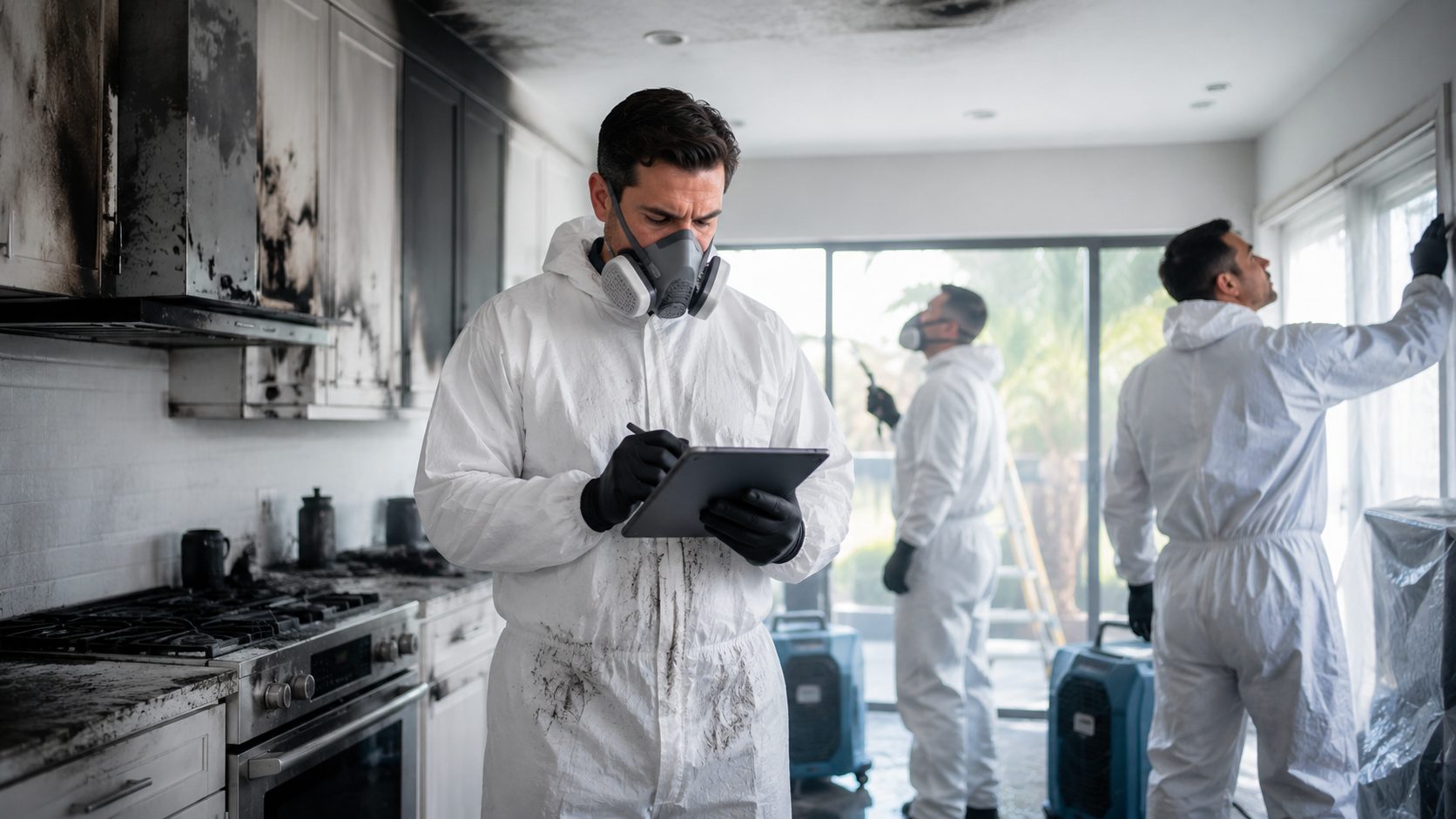
California law (Public Resources Code 4291) requires homeowners in wildfire hazard zones to maintain 100 feet of defensible space around structures, divided into Zone 0 (0-5 ft, ember-resistant), Zone 1 (5-30 ft, lean/clean/green), and Zone 2 (30-100 ft, reduced fuel). Each zone has different clearance rules, and getting them right can be the difference between a home that survives an ember storm and one that doesn't.
DKI Restotech has spent more than 40 years restoring homes across Los Angeles, Orange County, and Riverside after fire, smoke, and water damage. We see the difference defensible space makes firsthand — it's often the single factor separating a home that needs fire damage restoration from one that needs a full rebuild.
What Are California's Three Defensible Space Zones?
The state's defensible space requirement, updated through CAL FIRE's Zone 0 regulations, breaks the 100 feet around a structure into three concentric rings. Each ring has a specific job: stopping embers at the house, slowing flame contact near the structure, and reducing the fuel load that lets a wildfire build intensity as it approaches your property.
These rules apply to homes in State Responsibility Areas and designated Very High Fire Hazard Severity Zones — large portions of the Santa Monica Mountains, Malibu, the Verdugo foothills, the Santa Ana Mountains in Orange County, and the wildland-urban interface throughout Riverside County all qualify.
What Goes in Zone 0, the Ember-Resistant Zone (0-5 Feet)?
Zone 0 is the newest and strictest category, created because most homes lost in California wildfires ignite from wind-blown embers landing directly against the structure, not from a wall of flame. Within 5 feet of your foundation, walls, and attached deck, the standard is essentially zero combustible material.
- Remove all dead vegetation, bark mulch, dry leaves, and pine needles touching the house or deck
- Replace wood mulch with rock, gravel, or pavers
- Move firewood stacks, propane tanks, and wooden furniture entirely out of this zone
- Trim any tree branches that overhang the roof or come within 5 feet of the structure
- Clear anything stored underneath a raised deck or porch
During Santa Ana wind events, embers can travel well ahead of the actual fire front and lodge in gutters, under eaves, or against siding. A clean Zone 0 denies those embers the fuel they need to ignite your home directly.
What Does Zone 1, "Lean, Clean and Green," Require (5-30 Feet)?
Zone 1 extends from 5 to 30 feet out from the structure (or to the property line if it's closer). The goal here shifts from zero fuel to managed, spaced-out fuel that won't carry fire toward your home.
- Remove dead plants, dry grass, and leaf litter regularly, not just once a season
- Trim tree canopies so there's at least 10 feet of horizontal space between crowns
- Prune tree branches up 6 feet from the ground to eliminate "ladder fuels" that let ground fire climb into canopies
- Keep grass mowed to a maximum of 4 inches
- Relocate wood piles, sheds, and other combustible structures within this ring, or add ember-resistant buffers around them
What's Required in Zone 2, the Reduced Fuel Zone (30-100 Feet)?
Zone 2 runs from 30 feet out to 100 feet, or to your property line, whichever comes first. Clearance standards loosen somewhat, but the intent is the same: reduce the volume and continuity of vegetation so an oncoming fire loses intensity before it reaches your home.
- Cut annual grasses down to 4 inches during fire season
- Remove dead trees, shrubs, and accumulated dry brush
- Space trees and shrub clusters based on slope — steeper terrain requires wider spacing because fire moves faster uphill
- Chaparral homeowners in the foothills should pay particular attention to this zone, since manzanita, chamise, and sage scrub carry fire quickly and can crown out into full canopy fires
Zone Comparison at a Glance
| Zone | Distance | Primary Goal | Key Action |
|---|---|---|---|
| Zone 0 | 0-5 ft | Ember resistance | No combustible material touching the structure |
| Zone 1 | 5-30 ft | Lean, clean, green | Spaced, low, well-maintained vegetation |
| Zone 2 | 30-100 ft | Reduced fuel load | Thinned brush and managed tree spacing |
Is 100 Feet of Defensible Space Actually the Law?
Yes. Public Resources Code 4291 has required 100 feet of defensible space since 2005 for homes in State Responsibility Areas and Very High Fire Hazard Severity Zones, and many LA and OC cities have adopted equivalent local ordinances for properties outside those state-mapped areas. Fire agencies including LA County Fire and the Orange County Fire Authority conduct annual inspections in high-risk zones, and non-compliance can result in citations or, in some cases, the county performing clearance work and billing the property owner.
Insurers have also tightened underwriting around defensible space compliance in recent years, and documented clearance can matter during a claim. If your policy is contested after a fire, our team can help you navigate that process — see our insurance claims help page for what documentation to gather before you call your adjuster.
What Happens If Santa Ana Winds Push Embers Past Your Defensible Space?
Even a fully compliant property can take smoke and ember damage during a major wind-driven fire event — that's the nature of Southern California's fall and winter fire season. Embers can travel over a mile ahead of the fire front, and smoke infiltration through HVAC systems, attic vents, and window gaps can leave soot and odor throughout a home even when the structure itself never burned.
If that happens, fast, IICRC-certified smoke and soot restoration matters, because soot is acidic and continues etching surfaces and degrading indoor air quality the longer it sits. Our 24/7 emergency response team mobilizes across LA, OC, and Riverside as soon as it's safe to re-enter a fire-affected area.
What Should Businesses in Fire-Prone Areas Do?
Commercial properties adjacent to open space, hillsides, or wildland areas face the same 100-foot defensible space obligations, plus additional considerations: landscaping maintenance contracts, employee evacuation planning, and HVAC intake protection to limit smoke infiltration during red flag warnings. If your business does sustain fire, smoke, or water damage from firefighting efforts, our commercial restoration team handles everything from structural drying to full wildfire restoration, working directly with your insurer to minimize downtime.
Frequently asked questions
How often do I need to maintain defensible space in Southern California?
Defensible space isn't a one-time project. Grasses and brush regrow through spring, so most LA, OC, and Riverside properties need at least one thorough clearance before fire season (typically by May or June) and spot maintenance through fall, especially after Santa Ana wind events knock down dead branches and dry out vegetation.
Does defensible space guarantee my home won't burn?
No single measure guarantees survival in a wildfire, but defensible space combined with ember-resistant construction (Zone 0 compliance, dual-pane windows, ember-resistant vents) is the strongest predictor of structure survival identified in post-fire damage assessments. It buys firefighters safer, more effective access to defend your home.
Who enforces defensible space rules in LA and Orange County?
Enforcement varies by jurisdiction. LA County Fire Department and the Orange County Fire Authority both conduct defensible space inspections in State Responsibility Areas and Very High Fire Hazard Severity Zones, and many cities layer on their own brush clearance ordinances enforced by local fire marshals or code enforcement.
If a wildfire has already reached your property, don't wait to address smoke, soot, or structural damage — early mitigation limits secondary damage and strengthens your insurance claim. Call DKI Restotech at (949) 359-4090 for a fast, IICRC-certified response anywhere in LA, Orange County, or Riverside.
Want more of our local restoration guides in your Google results?
Adds DKI Restotech to your preferred sources in Google Search. You can change it anytime.
Related Posts
Santa Ana Wind Season: How to Protect Your Home Before the Winds Hit
Fall's Santa Ana winds turn dry SoCal brush into wildfire fuel. Here's what LA & OC homeowners should …
Wildfire Evacuation Plan: What Every SoCal Family Should Have Ready
A go-bag by the door isn't enough. Here's how LA and OC families should actually plan wildfire evacuation …
Home Hardening Against Wildfire Embers: What Actually Works
Flames grab headlines, but wind-driven embers are what actually get inside homes and start fires. Here's what real …