
Sewage Backup Cleanup: Health Risks and the Right Way to Handle It
By DKI Restotech Team · Jul 27, 2026 · Updated Aug 11, 2026 · 3 min read
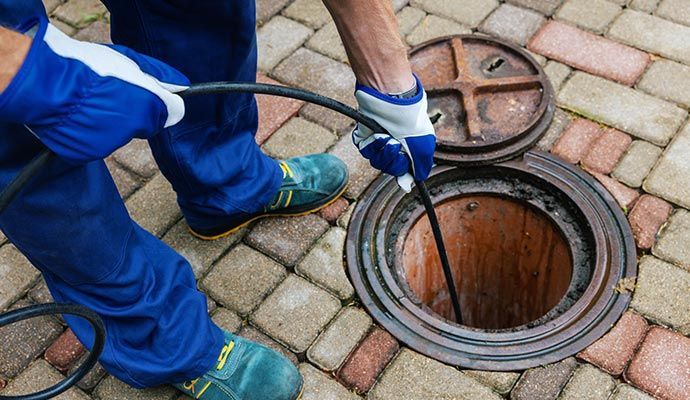
A sewage backup is classified as Category 3 "black water" — the most contaminated category of water damage — and it's a genuine health hazard, not just an unpleasant mess. It carries bacteria, viruses, and parasites, and it should be treated as a biohazard from the moment it appears. Here's what makes it dangerous and how it needs to be handled.
Why sewage water is a serious health risk
Raw sewage can contain E. coli, salmonella, hepatitis A, rotavirus, and parasites, along with the bacteria that cause gastrointestinal and respiratory illness. Contact — or even breathing the aerosolized contaminants and gases — can make people sick. Anyone with a weakened immune system, plus children and the elderly, is especially at risk. This is why sewage cleanup requires protective equipment, containment, and proper disinfection rather than a mop and bucket.
What to do (and not do) after a sewage backup
- Do keep people and pets away from the affected area and shut off the water source if a fixture is overflowing.
- Do turn off electricity to the area if it's safe to do so.
- Do call a professional restoration company right away — the longer it sits, the further it spreads and the more it contaminates.
- Don't try to clean it with a household mop, vacuum, or towels — you'll spread contamination and expose yourself.
- Don't use the affected plumbing until the cause is identified.
How professional sewage cleanup works
- Assessment and containment to stop the spread and protect unaffected areas.
- Extraction of sewage and contaminated water with professional equipment.
- Removal of porous materials — carpet, pad, and often drywall — that can't be safely disinfected.
- Cleaning and disinfection with hospital-grade antimicrobials.
- Structural drying to prevent mold in the affected framing and subfloor.
- Deodorization and a final check that the area is safe to use again.
Because sewage is both a water and a biohazard problem, it draws on our sewage removal and biohazard expertise together.
What causes sewage backups?
- Clogs from grease, wipes, or debris in your line or the city main.
- Tree roots infiltrating and blocking sewer laterals — common with mature Southern California landscaping.
- Heavy rain overwhelming the municipal system.
- Aging or collapsed pipes.
Frequently asked questions
Can I clean up a small sewage backup myself?
It's strongly discouraged. Even a small backup is contaminated Category 3 water; without proper PPE, disinfection, and removal of affected porous materials, you risk illness and leave contamination behind that leads to odor and mold.
Does insurance cover sewage backup?
Standard policies often exclude sewer and drain backup unless you've added a specific backup endorsement. Check your policy — many California homeowners add this affordable coverage. We can help you document the loss for your claim.
How long does sewage cleanup take?
Extraction and disinfection can often be done in a day or two, with additional time for structural drying and any reconstruction of removed materials.
Sewage backup in your home or business? Don't touch it — call DKI Restotech at (949) 359-4090 for safe, 24/7 cleanup across LA and Orange County.
{# Google "Preferred Sources": readers add us as a preferred source so our articles surface more often in their Top Stories / news results. Official embed (button + deeplink fallback): https://developers.google.com/search/docs/appearance/preferred-sources #}Want more of our local restoration guides in your Google results?
Adds DKI Restotech to your preferred sources in Google Search. You can change it anytime.
Related Posts
Biohazard Cleanup: When to Call a Pro and Why DIY Is Dangerous
Blood, sewage, unattended death, hoarding — biohazard situations carry real infection risk and legal disposal rules. Here's when …