
How to Remove the Odor of Smoke In Your Irvine Home After a Fire
By DKI Restotech Team · Jun 8, 2026 · Updated Nov 4, 2026 · 5 min read
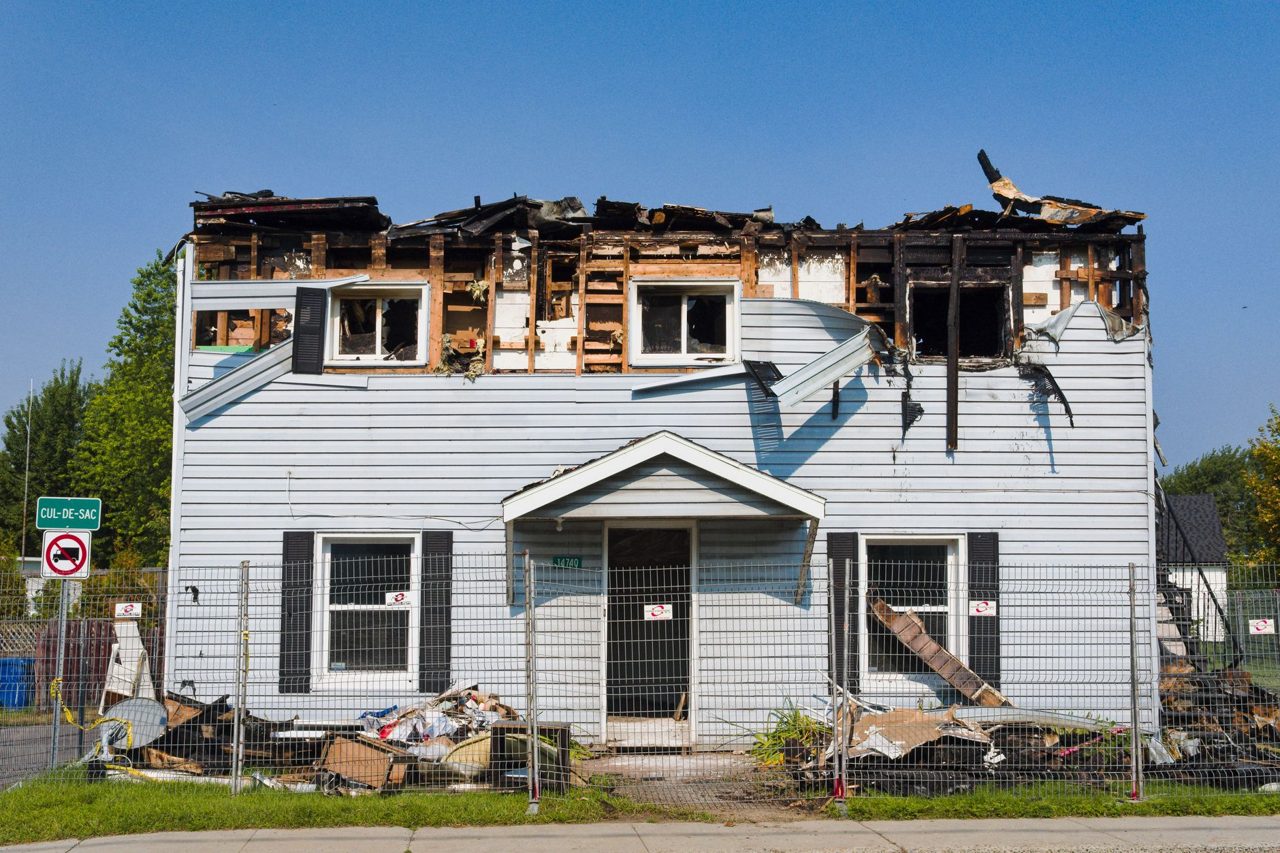
Why Smoke Odor Lingers Long After a Fire
A house fire is devastating, even when the damage is contained quickly. Long after the flames are extinguished, one of the most persistent reminders is the lingering smoke smell. If you're wondering how to remove the odor of smoke in your Irvine, California home after a fire, it’s important to understand that smoke odor is more than just an unpleasant scent — it can penetrate deep into walls, insulation, furniture, and HVAC systems.
At DKI Restotech, we specialize in professional fire and smoke damage restoration, helping homeowners fully eliminate smoke odors and restore their homes safely and effectively.
Why Smoke Odor Lingers After a Fire
Smoke particles are microscopic. When materials burn, they release tiny soot and odor-causing particles that travel through the air and settle into porous surfaces. These particles can embed themselves into:
- Drywall and insulation
- Carpet and upholstery
- Curtains and fabrics
- Wood framing and cabinetry
- HVAC ductwork
Without proper treatment, these particles continue releasing odor into your Irvine home for weeks or even months.
Step by Step: Smoke Odor Removal In Your Irvine Home After a Fire
Removing smoke odor requires more than opening windows or spraying air fresheners. Here are the key steps professionals use:
1. Immediate Ventilation
Proper airflow helps remove airborne particles. Industrial-grade air movers and air scrubbers with HEPA filters are far more effective than household fans.
2. Deep Cleaning of All Surfaces
Every affected surface must be thoroughly cleaned with specialized fire restoration solutions. This includes walls, ceilings, floors, cabinets, and contents.
3. Removal of Porous Materials
In severe cases, materials like insulation, drywall, and carpeting may need to be removed and replaced because they permanently trap smoke particles.
4. HVAC System Cleaning
Smoke travels through ductwork, spreading odor throughout the entire home. Professional duct cleaning prevents continued circulation of smoke residue.
5. Professional Deodorization Techniques
Advanced equipment such as:
- Thermal fogging
- Ozone treatments
- Hydroxyl generators
These methods neutralize odor at a molecular level rather than simply masking it.
Why DIY Smoke Odor Removal Often Falls Short
Many homeowners attempt to remove smoke odor themselves using household cleaners or odor absorbers. Unfortunately, surface cleaning alone rarely addresses the source of the smell.
DIY methods often:
- Miss hidden soot inside walls
- Fail to treat HVAC systems
- Mask odors temporarily instead of neutralizing them
- Leave behind contaminants that can affect indoor air quality
Incomplete cleanup can result in long-term odor issues and even health concerns.
Why Choose DKI Restotech for Fire and Smoke Damage Restoration
Removing smoke odor requires specialized training, equipment, and experience. DKI Restotech provides:
- 24/7 emergency response
- Certified fire restoration technicians
- Advanced deodorization technology
- Complete structural and content cleaning
- Assistance with insurance claims
Our team doesn’t just eliminate the smell — we restore your home safely and thoroughly so you can move forward with confidence.
Don’t Let Smoke Odor Linger — Act Quickly
The longer smoke residue remains in your home, the deeper it penetrates materials and the harder it becomes to remove. Acting quickly improves the chances of complete odor elimination and reduces long-term damage.
If you need help removing smoke odor after a fire, contact DKI Restotech today. Our restoration experts are ready to respond and help you reclaim your home.
📞 Call DKI Restotech today at (949) 359-4090 for immediate fire and smoke damage assistance.
< Older Post
Recent Posts
The Truth About Water Damage and Homeowner's Insurance in California
How Wildfire Smoke Can Damage Your LA Home—and What to Do
What Is Category 3 Water Damage in LA and Why Professional Cleanup Matters
What Is Water Mitigation? OC Homeowner Guide to Water Damage Response
Mold Removal vs. Mold Remediation: What’s the Difference?
Types of Water Damage That Can Occur in Los Angeles Homes: How to Identify Them
Is Black Mold Dangerous? When to Call a Remediation Professional
How to Get Rid of Mold in Your Anaheim Home: Expert Remediation Guide
Emergency Guide: How to Respond to Ceiling Water Leaks in LA
Black Mold Vs Toxic Black Mold: Differences & Risks in Irvine Homes
Frequently asked questions
How long does smoke smell last in a house after a fire?
Without proper treatment, smoke odor can linger for weeks or even months. Smoke particles are microscopic and settle into porous materials like drywall, insulation, carpet, upholstery, and wood framing. These materials keep releasing odor over time, so the smell often returns even after the home has been aired out or surface cleaned.
Can I get rid of smoke smell myself with air fresheners, fans, or open windows?
Usually not completely. Opening windows, running household fans, and spraying air fresheners mostly mask the smell for a short time. They don't reach soot hidden inside walls, insulation, or ductwork. DIY cleaning often misses these sources, so the odor tends to come back and leftover residue can affect indoor air quality.
Why does my house still smell like smoke after cleaning everything?
The smell usually comes from soot particles you can't see. They embed in drywall, insulation, carpet, cabinetry, and HVAC ductwork, then keep releasing odor after visible surfaces look clean. Because smoke travels through the ducts, an uncleaned HVAC system can also recirculate the smell through the whole home each time it runs.
What methods do professionals use to remove smoke odor from a home?
Professionals combine several steps: ventilation with air movers and HEPA air scrubbers, deep cleaning of all surfaces, HVAC duct cleaning, and replacing badly affected porous materials such as drywall, insulation, or carpet. They then deodorize with thermal fogging, ozone treatments, or hydroxyl generators, which neutralize odor molecules instead of covering them up.
Want more of our local restoration guides in your Google results?
Adds DKI Restotech to your preferred sources in Google Search. You can change it anytime.
Related Posts
Winter Water Damage Risks in California—and How DKI Restotech Helps You Recover Faster
Winter water damage in Los Angeles and Orange County can escalate fast. Learn common risks and how DKI …
Winter Property Emergencies: How Water, Fire & Mold Restoration Services Protect Your Home and Business
Winter property emergencies can cause major damage. Learn how water, fire, and mold restoration services protect homes and …
Water Damage Restoration: What Every Orange County Homeowner Needs to Know
Hidden water damage risks for Orange County homes: what every homeowner needs to know, warning signs to watch …