
El Niño Winter 2026–27: How LA & OC Homeowners Should Prepare
By DKI Restotech Team · Oct 8, 2026 · 5 min read
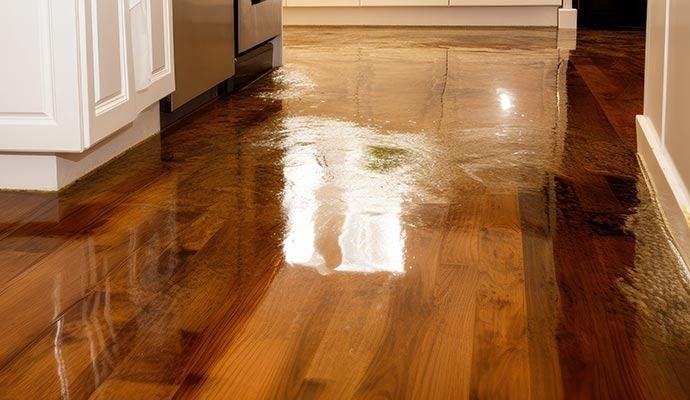
NOAA forecasters put the odds of a very strong El Niño this winter at greater than 90%, potentially among the strongest on record, with roughly four to seven atmospheric-river storms expected between November and March. LA and OC homeowners should prep roofs and drainage now, before the first storm hits.
What does a "very strong" El Niño mean for Southern California?
Forecasters already describe this El Niño as potentially one of the strongest on record, giving it over 90% odds of holding strong through winter. Historically, strong El Niño winters have brought Southern California well-above-normal rainfall, often concentrated into a handful of intense storms rather than spread evenly.
That matters because atmospheric rivers deliver most of a season's rain in days, not weeks. Forecasters expect roughly four to seven of these storms to track through the LA Basin, Orange County, and surrounding hills between November and March — each one capable of overwhelming a drainage system built for a drier, more typical SoCal winter.
Which parts of LA and OC homes are most vulnerable?
After years of mild winters, many Southland homes have quiet weak points that a single atmospheric river can expose fast. The table below covers the areas DKI Restotech's crews see fail most often across Los Angeles, Orange County, and the Inland Empire.
| Vulnerable point | Why it's at risk here | What to check now |
|---|---|---|
| Roofs & flashing | Years between real storms let cracked tiles and worn flashing go unnoticed | Inspect flashing at chimneys and skylights; clear valleys; replace broken tiles |
| Gutters & downspouts | Months of dust, leaves, and pine needles clog gutters before the season's first rain | Clear all debris; confirm downspouts discharge well away from the foundation |
| Grading & site drainage | Flat lots and hardscaped yards common in LA/OC can channel water toward the house | Verify grade slopes away from walls; extend downspout runoff 5-10 feet |
| Sump pumps & area drains | Pumps in below-grade garages and hillside lots often sit unused for years at a time | Test pump operation; clear area drains, window wells, and french drains |
| Slab foundations | Many postwar LA/OC tract homes sit on slab with plumbing underneath that shifts as soil saturates | Watch for warm floor spots, rising water bills, or damp baseboards |
| Hillside & burn-scar-adjacent homes | Fire-denuded slopes in areas like the Santa Monica Mountains, San Gabriel foothills, and OC canyon communities shed water and debris quickly | Check for erosion, sandbag needs, and debris-flow exposure |
What should go on your pre-season checklist?
Most storm damage DKI Restotech responds to traces back to a maintenance item that was easy to fix in October and expensive to fix in January. Work through this list before the first named storm arrives.
- Clean and inspect all gutters, downspouts, and roof valleys
- Walk the roof (or hire someone to) for cracked tiles, lifted shingles, and failing flashing
- Confirm yard and driveway grading directs water away from the foundation and crawlspace vents
- Test sump pumps and backup batteries; clear area drains and window wells
- Stock sandbags if you're on a hillside lot, in a canyon community, or near a recent burn scar
- Trim trees and clear dead brush that could block drains or fall on the roof in wind
- Check attic and crawlspace insulation and vents for existing moisture or pest entry points
- Locate your main water shutoff valve and make sure every household member knows where it is
- Photograph your home's current condition, inside and out, for insurance documentation
- Review your insurance coverage before, not during, a storm
Flood insurance vs. homeowners insurance: what's actually covered?
This is where most SoCal homeowners get an unpleasant surprise after a storm. Standard homeowners policies and flood policies cover different water sources, and the gap between them is exactly where atmospheric-river damage tends to fall.
| Coverage type | Typically covers | Typically excludes |
|---|---|---|
| Standard homeowners (HO-3) | Sudden, accidental water damage: burst pipes, water heater failure, wind-driven roof leaks | Flooding or mudflow that enters from outside, including rising groundwater |
| Flood insurance (NFIP or private) | Rising water, surface flooding, and qualifying mudflow damage to structure and contents | Damage from deferred maintenance; new policies commonly carry a waiting period before coverage starts |
Because that waiting period usually runs about 30 days, a flood policy bought after storms are already forecast may not help with this season. Talk to your agent now, and keep dated photos plus receipts so any water damage insurance claim moves faster if you do take on damage.
When should you call for emergency water damage mitigation?
Some water intrusion is a mop-and-fan job. Other situations need a licensed, IICRC-certified crew within hours to prevent structural damage and mold growth.
- Standing water inside the home, garage, or crawlspace
- Water entering through the roof, windows, or foundation during an active storm
- Saturated drywall, baseboards, or flooring after any leak or intrusion
- A sewer backup or any contaminated (gray or black) water event
- Visible mud, debris flow, or hillside material against the structure
DKI Restotech has handled water damage restoration across LA, OC, and the Inland Empire since 1980, including the flood damage restoration that follows atmospheric-river storms. If a storm catches your home off guard this winter, our emergency response team is built to mobilize fast, document everything your insurer will need, and start drying the structure before secondary damage sets in.
Frequently asked questions
How much rain will Los Angeles and Orange County actually get this winter?
No one can forecast exact totals this far out, but NOAA's greater-than-90% probability of a very strong El Niño is a strong signal that rainfall could run well above a typical SoCal winter. Treat the 4-7 forecast atmospheric-river storms as a planning range, not a guarantee, and prepare drainage and roofing regardless of the final number.
Does my regular homeowners policy cover storm flooding?
Usually not. Standard homeowners policies generally cover sudden water damage from inside the home, like a burst pipe, but exclude flooding or mudflow that enters from outside, which is exactly the risk atmospheric rivers bring to hillside and low-lying SoCal properties.
My hillside lot didn't flood during past storms — do I still need to prepare?
Yes. Years of lighter rainfall can mask erosion, clogged drains, and degraded grading that only reveal themselves under sustained heavy rain, and a forecast very strong El Niño is exactly the kind of season that exposes those weaknesses for the first time.
If a storm has already caused water intrusion at your LA, OC, or Inland Empire property, don't wait for it to get worse. Call DKI Restotech's IICRC-certified emergency team now at (949) 359-4090 for fast, documented mitigation.
{# Google "Preferred Sources": readers add us as a preferred source so our articles surface more often in their Top Stories / news results. Official embed (button + deeplink fallback): https://developers.google.com/search/docs/appearance/preferred-sources #}Want more of our local restoration guides in your Google results?
Adds DKI Restotech to your preferred sources in Google Search. You can change it anytime.