
Is Black Mold Dangerous? When to Call a Remediation Professional
By DKI Restotech Team · Jun 8, 2026 · Updated Nov 4, 2026 · 5 min read

Black mold is one of the most concerning issues homeowners and property managers can face after water damage. Whether caused by a leak, flood, or lingering moisture after fire suppression efforts, mold growth can escalate quickly.
So, is black mold dangerous? The short answer: it can be — especially when left untreated.
Understanding the risks and knowing when to call a remediation professional can protect both your health and your property.
Is Black Mold Dangerous? Understanding the Health Risks
Black mold (commonly Stachybotrys chartarum) thrives in damp, humid environments. It often develops after:
- Water damage from burst pipes
- Flooding
- Roof leaks
- Fire sprinkler discharge
- Poor ventilation
Exposure to black mold spores may cause:
- Respiratory irritation
- Persistent coughing
- Headaches
- Sinus congestion
- Skin irritation
- Worsened asthma symptoms
Individuals with compromised immune systems, allergies, or existing respiratory conditions are particularly vulnerable.
While not every case of mold is toxic, professional testing and remediation are critical to ensure safe removal and prevent long-term health effects.
Why Black Mold Often Follows Water or Fire Damage
Many restoration companies see black mold develop after untreated water damage. Even minor leaks can create hidden moisture behind walls, under flooring, or in insulation.
After a fire, the risk increases due to:
- Water used to extinguish flames
- Damaged roofing or structural exposure
- Smoke residue trapping moisture
Without proper drying and dehumidification, mold can begin growing within 24–48 hours.
That’s why professional water damage restoration is so important. Quick response limits mold growth and reduces the need for extensive remediation.
When to Call a Remediation Professional
You should contact a remediation professional immediately if:
- You see visible black mold growth
- You notice a musty odor that won’t go away
- Your property experienced recent water or fire damage
- Drywall, ceilings, or flooring show staining or bubbling
- Occupants are experiencing unexplained respiratory symptoms
Mold remediation is not a DIY project. Improper handling can:
- Spread spores throughout the home
- Cross-contaminate unaffected areas
- Increase health risks
- Lead to costly structural damage
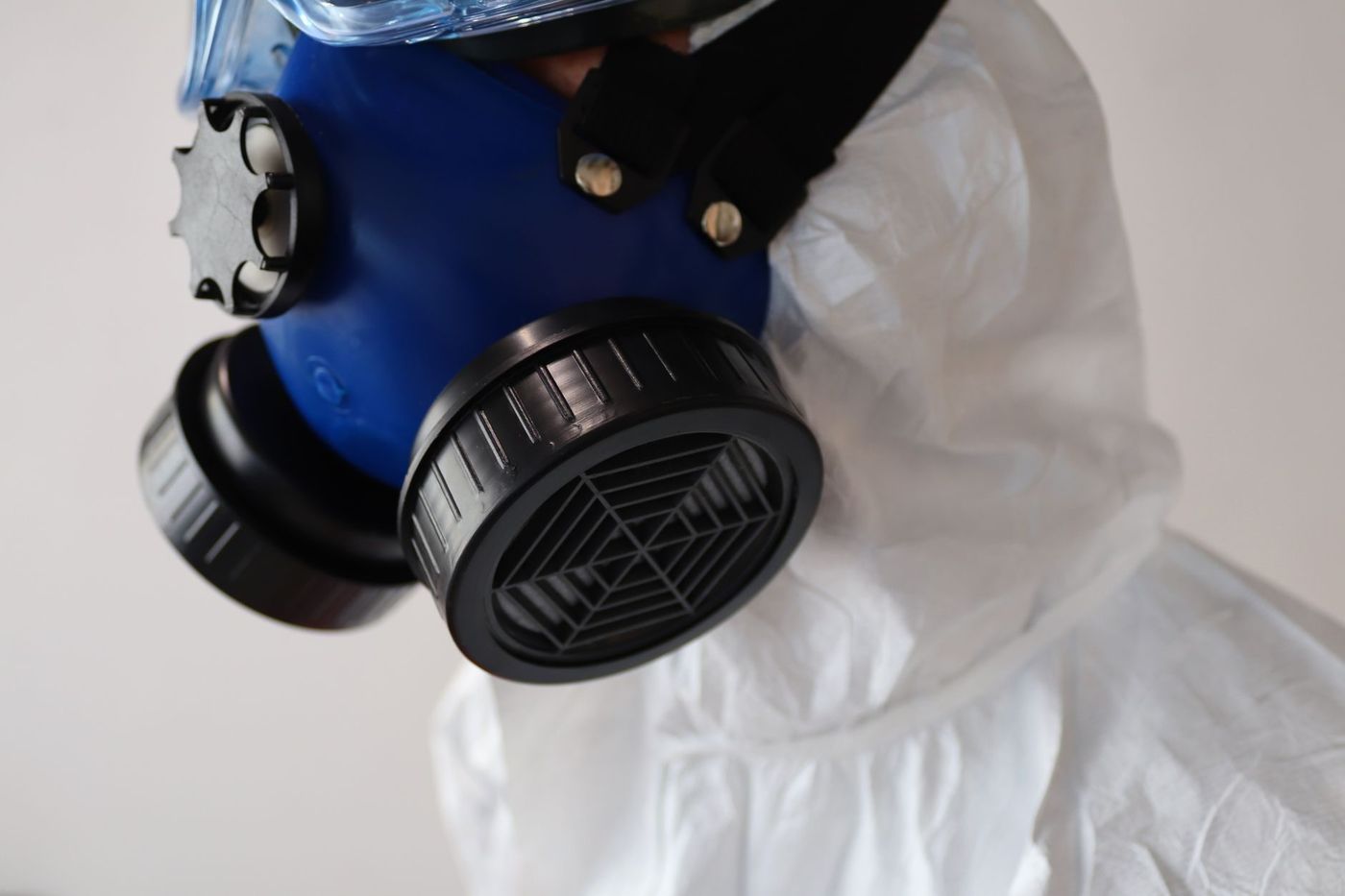
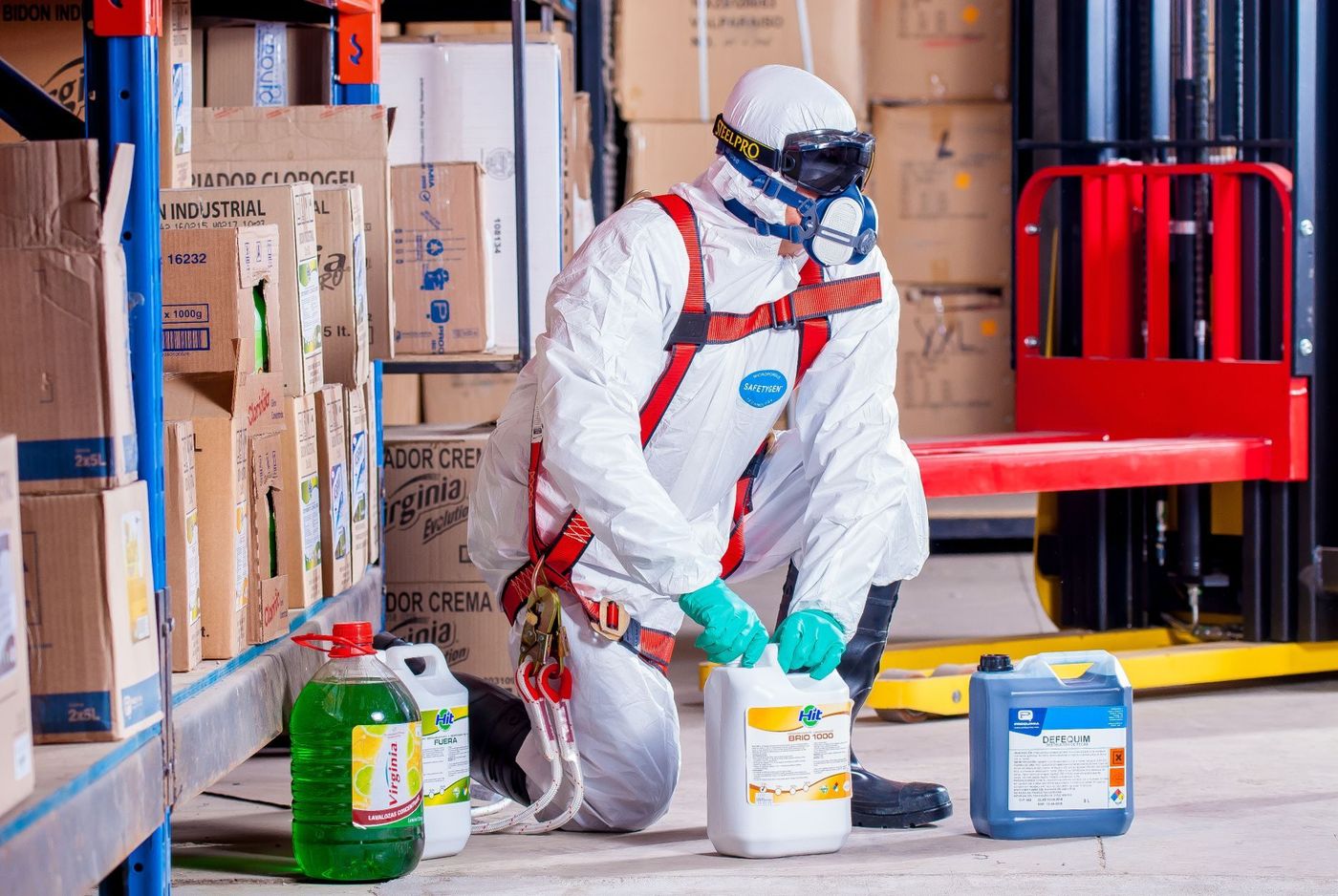
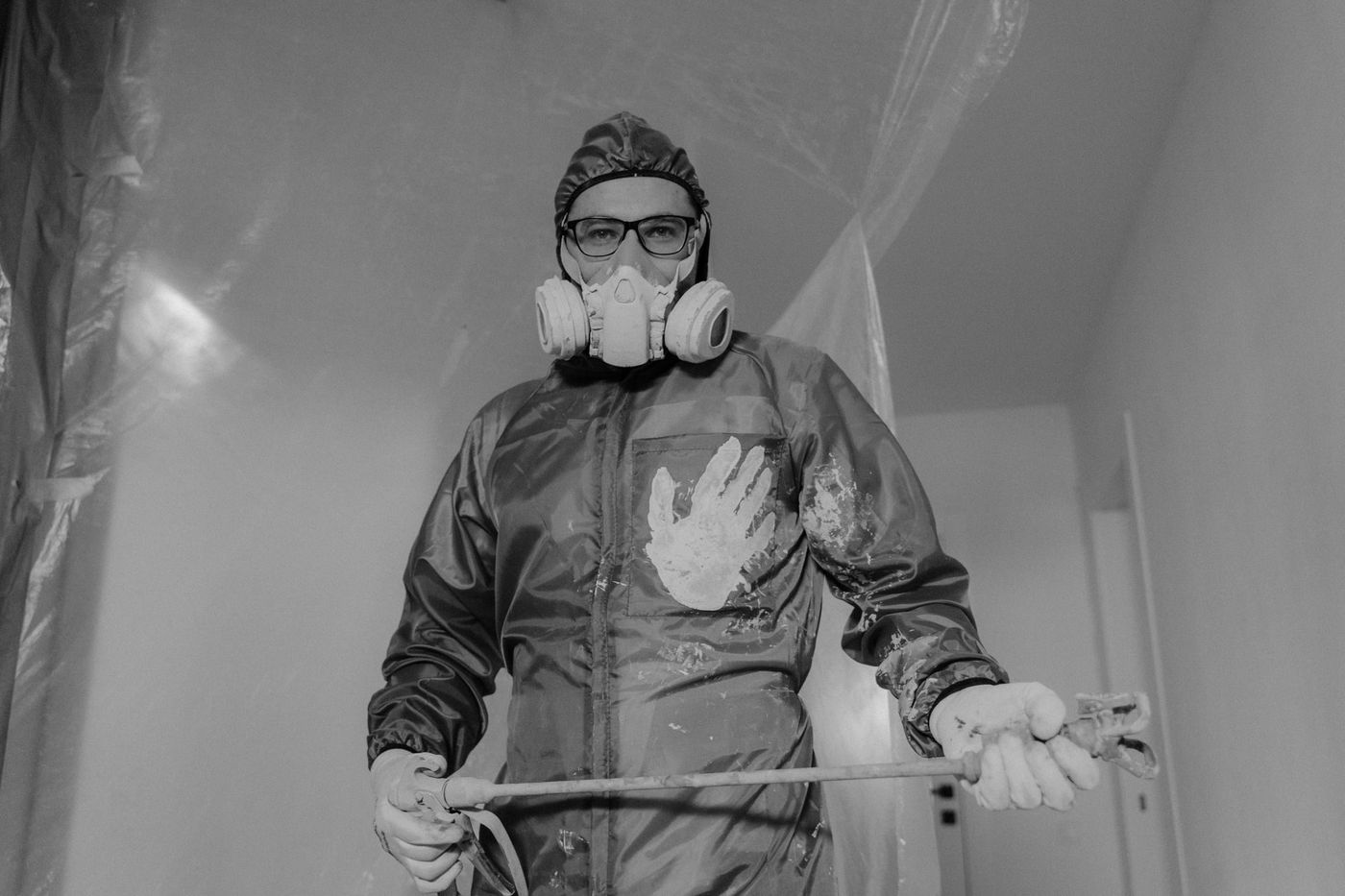
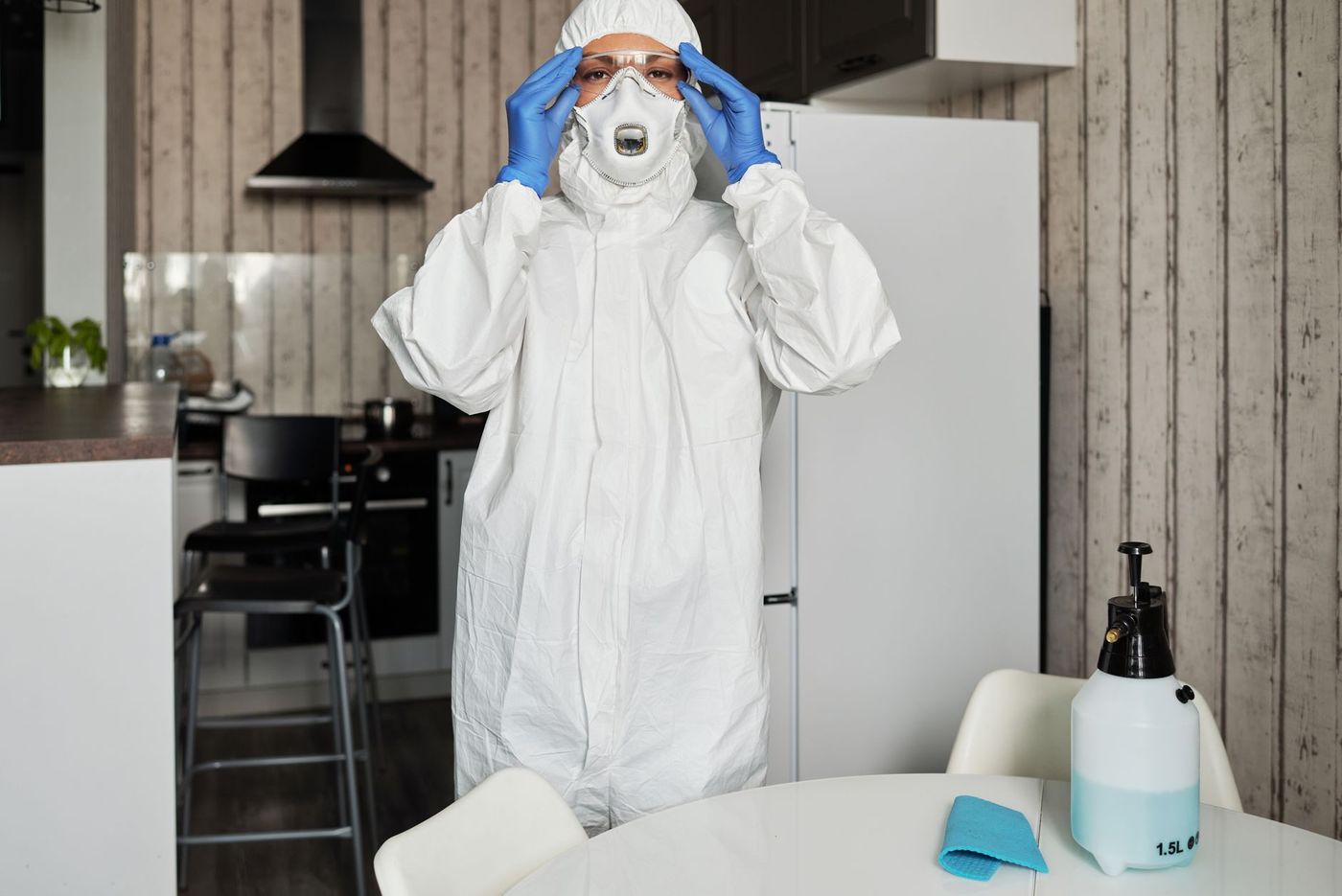
Professional restoration companies use containment barriers, HEPA filtration, industrial drying equipment, and proper disposal methods to safely remove mold and restore your property.
The Importance of Full-Service Restoration
At DKI Restotech, remediation is only one part of the solution. Mold issues are often tied to broader restoration concerns, including:
- Water damage restoration
- Fire and smoke damage cleanup
- Biohazard and blood cleanup
- Structural drying
- Odor removal
Addressing the root cause prevents recurring mold problems and protects the long-term integrity of your property.
Protecting Your Property and Your Health
Black mold should never be ignored. What starts as a small patch can quickly spread behind walls and compromise structural materials.
If your home or business has experienced water, fire, smoke, or biohazard damage, immediate professional intervention can prevent further complications and protect your investment.
Concerned About Mold in Your Home or Business?
If you’re asking, “Is black mold dangerous?” it’s time to have it professionally evaluated.
DKI Restotech provides expert mold remediation and full-service restoration for water, fire, smoke, and biohazard damage.
📞 Call (949) 359-4090 today for immediate assistance and professional remediation support.
< Older Post
Recent Posts
The Truth About Water Damage and Homeowner's Insurance in California
How Wildfire Smoke Can Damage Your LA Home—and What to Do
What Is Category 3 Water Damage in LA and Why Professional Cleanup Matters
What Is Water Mitigation? OC Homeowner Guide to Water Damage Response
Mold Removal vs. Mold Remediation: What’s the Difference?
Types of Water Damage That Can Occur in Los Angeles Homes: How to Identify Them
How to Get Rid of Mold in Your Anaheim Home: Expert Remediation Guide
Emergency Guide: How to Respond to Ceiling Water Leaks in LA
Black Mold Vs Toxic Black Mold: Differences & Risks in Irvine Homes
How to Remove the Odor of Smoke In Your Irvine Home After a Fire
Frequently asked questions
Is black mold really dangerous to live with?
Black mold can be dangerous, especially if it is left untreated. Exposure to its spores may cause respiratory irritation, persistent coughing, headaches, sinus congestion, skin irritation and worsened asthma. People with allergies, existing respiratory conditions or weakened immune systems are the most vulnerable. Not every mold is toxic, so professional testing is the safest way to know what you have.
How fast can black mold grow after a leak or water damage?
Mold can begin growing within 24 to 48 hours after water damage if the area is not properly dried and dehumidified. Even a minor leak can leave hidden moisture behind walls, under flooring or in insulation. Acting quickly to dry the area limits mold growth and can reduce the amount of remediation you need later.
Can I clean black mold myself with bleach or household cleaner?
Mold remediation is not a DIY project. Improper handling can spread spores through your home, cross-contaminate unaffected areas, increase health risks and lead to costly structural damage. Professionals use containment barriers, HEPA filtration, industrial drying equipment and proper disposal methods to remove mold safely and address the moisture source that caused it.
When should I call a professional about suspected black mold?
Call a remediation professional right away if you see visible black mold, notice a musty odor that won't go away, or had recent water or fire damage. Staining or bubbling on drywall, ceilings or flooring, and unexplained respiratory symptoms among occupants, are also warning signs. In Orange County or Los Angeles, DKI Restotech can evaluate your property at (949) 359-4090.
Want more of our local restoration guides in your Google results?
Adds DKI Restotech to your preferred sources in Google Search. You can change it anytime.
Related Posts
Winter Water Damage Risks in California—and How DKI Restotech Helps You Recover Faster
Winter water damage in Los Angeles and Orange County can escalate fast. Learn common risks and how DKI …
Winter Property Emergencies: How Water, Fire & Mold Restoration Services Protect Your Home and Business
Winter property emergencies can cause major damage. Learn how water, fire, and mold restoration services protect homes and …
Water Damage Restoration: What Every Orange County Homeowner Needs to Know
Hidden water damage risks for Orange County homes: what every homeowner needs to know, warning signs to watch …